

Introduction
In this fast-paced digital era, a reliable laptop is an essential tool for any college student. Whether it’s for taking notes, researching, completing assignments, or just watching Netflix during downtime, finding a device that fits both budget and needs can be challenging. Balancing cost with quality, performance, and features requires careful consideration. Even on a tight budget, students shouldn’t have to compromise on key functionalities that make both academic and personal activities seamless and efficient.
In today’s market, the availability of affordable laptops is vast, yet not all devices meet the unique demands of college life. From robust processing power for multitasking to ample storage for files and media, there are several critical aspects to evaluate. Furthermore, portability, battery life, and build quality also play pivotal roles in ensuring the chosen laptop supports a student’s hectic schedule without faltering.
This blog post aims to simplify the selection process by highlighting some of the best laptops under $500 available on Amazon, tailored specifically for college students. Our carefully curated list ensures that you don’t compromise on performance, features, or style while staying within budget. Each of these laptops has been evaluated based on core criteria such as processing power, storage capacity, display quality, and user reviews. This way, you can invest wisely in a device that will serve as a reliable companion throughout your academic journey.
Read on to discover the ideal laptop that can support your academic achievements and personal interests alike. Whether you need a machine that excels in performance for complex projects, or one that offers the best entertainment experience during your downtime, we have got you covered with some outstanding choices.
1. Acer Aspire 5 A515
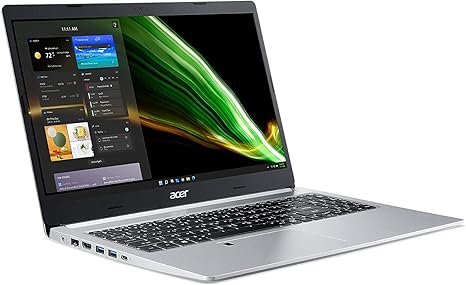
The Acer Aspire 5 stands out as a versatile option for college students seeking an affordable yet dependable laptop. This model boasts a 15.6-inch display with full HD resolution, offering a clear and vibrant visual experience perfect for both academic assignments and leisure activities. Powered by either an AMD Ryzen 7 3700U or an Intel Core i3 processor, the Acer Aspire 5 A515 ensures smooth performance for everyday tasks.
One of the key features of the Acer Aspire 5 A515 is its 256GB SSD storage, allowing for quick boot times and efficient file access. The 8 GB DDR4 complements this storage, providing sufficient memory for standard applications like word processing, web browsing, and media consumption. Additionally, the backlit keyboard is a practical feature that enhances usability in low-light environments, making it convenient for late-night study sessions.
In terms of affordability, the Acer Aspire 5 A515 falls within the price range of approximately $500 to $600, making it a budget-friendly option for students. Its battery life is commendable, offering enough power to last through a significant portion of the day on a single charge. This makes it ideal for students who are always on the go and need a laptop that can keep up with their busy schedules.
However, the Acer Aspire 5 does come with some limitations. The storage capacity, while adequate for basic use, may be insufficient for students who need to store large files or extensive software. Furthermore, the build quality is average, which may be a consideration for those looking for a more durable device.
Overall, the Acer Aspire 5 A515 is recommended for college students seeking a reliable laptop for basic tasks. Its combination of affordability, decent performance, and essential features make it a sensible choice for those primarily engaged in word processing, browsing the internet, and consuming media
2. Lenovo IdeaPad 3
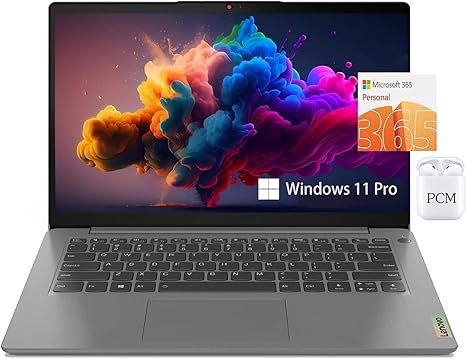
The Lenovo IdeaPad 3 stands out for its impressive performance-to-price ratio, making it a popular choice among college students looking for budget-friendly yet capable laptops. This 14-inch device is equipped with either an AMD Ryzen 7 5700U or an Intel Core i3-8145U processor, both of which provide solid performance for everyday tasks and multitasking needs. With 8GB of RAM, the laptop handles moderate workloads efficiently, whether you’re juggling multiple Microsoft Office applications or streaming your favorite shows online.
One of the prominent features of the Lenovo IdeaPad 3 is its 512GB SSD storage, which ensures faster boot times and efficient access to files and applications. The laptop also sports a narrow bezel design, offering a more immersive viewing experience within its compact chassis. This design choice not only enhances its visual appeal but also contributes to its lightweight and portable nature, making it easy to carry around campus or back home during breaks.
While the Lenovo IdeaPad 3 excels in many areas, it does have some drawbacks. The average battery life may require students to carry a charger for longer study sessions away from a power source. Additionally, the plastic build, while keeping the laptop lightweight, might not feel as premium as metal counterparts. However, given its affordability in the $500 to $600 price range, these are reasonable trade-offs.
The Lenovo IdeaPad 3 is particularly recommended for college students who need a reliable laptop for daily multitasking and moderate use. It’s well-suited for handling academic requirements like writing papers, creating presentations, and attending virtual classes. Furthermore, its capability to smoothly run streaming services adds to its utility for both work and leisure.
3. Dell Inspiron 15 3000
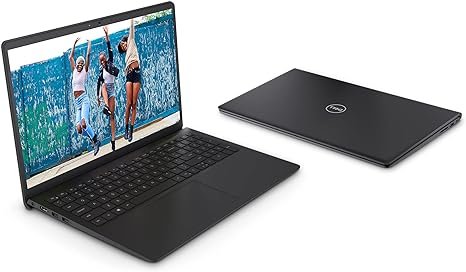
The Dell Inspiron 15 3000 3520 series is an excellent choice for college students seeking a balance between performance and affordability. With a 15.6-inch display, this laptop offers ample screen real estate for both academic assignments and personal entertainment. Equally important, its anti-glare display ensures that extended periods of use do not strain the eyes, making it ideal for long study sessions.
One of the significant strengths of the Dell Inspiron 15 3000 3520 is its hardware configuration. Equipped with either an Intel Core i5 or AMD Ryzen 3 processor, it provides dependable performance for most college-related tasks. The machine also boasts 16GB of RAM, enabling smooth multitasking, and a 512GB SSD, which offers plenty of storage for documents, media, and applications while ensuring quick boot and load times.
On the durability front, the Dell Inspiron 15 3000 3520 does not disappoint. Its robust build quality ensures it can withstand the rigors of daily use, making it a resilient companion throughout a college career. This durability, combined with its solid performance metrics, helps it stand out among other budget-friendly laptops.
Despite the numerous advantages, this laptop does have a few drawbacks. The battery life is relatively average, which may necessitate more frequent charging sessions. Additionally, it is slightly heavier compared to other models within the same price range, which might be a consideration for students who need a more portable device.
Priced between $450 and $500, the Dell Inspiron 15 3000 3520 offers substantial value for college students. This model is particularly recommended for those who need a reliable, durable laptop to handle a variety of tasks, from writing essays and conducting research to streaming videos and casual gaming. Its balance of price, performance, and build quality makes it a noteworthy contender in the sub-$500 category for 2024.
4. ASUS VivoBook 15
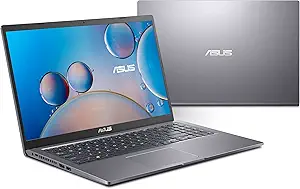
The ASUS VivoBook 15 F515 is a blend of style and functionality perfectly suited for college students. This 15.6-inch laptop is available with either an Intel Core i5-1135G7 processor, striking an exceptional balance between performance and affordability. The VivoBook 15 F515 is renowned for its sleek and modern design, making it a popular choice for students who prioritize both aesthetics and efficiency.
One of its defining features is the 512GB SSD storage, which ensures faster boot times and quick application loading, crucial for multitasking students. Coupled with 8GB of RAM, the VivoBook 15 F515 efficiently handles everyday tasks and light multitasking without significant lag. The SSD also contributes to the laptop’s slim and lightweight profile, enhancing its portability—a vital aspect for students constantly on the move.
The laptop boasts a stylish design and good display quality, characterized by its full HD resolution that delivers crisp and clear visuals. This makes it great for consuming multimedia content, attending online classes, and working on assignments. At approximately $400 to $500, it offers considerable value for budget-conscious students.
However, the VivoBook 15 F515 is not without its drawbacks. While it offers a decent battery life for regular use, it is regarded as average and may require more frequent recharges during extensive usage.
In summary, the ASUS VivoBook 15 F515 is ideal for students who value a combination of style and performance. It excels in delivering a pleasant visual experience, efficient processing for everyday activities, and an eye-catching design, making it a worthwhile investment for those maintaining a balance between functionality and aesthetics.
5. Microsoft Surface Go 2
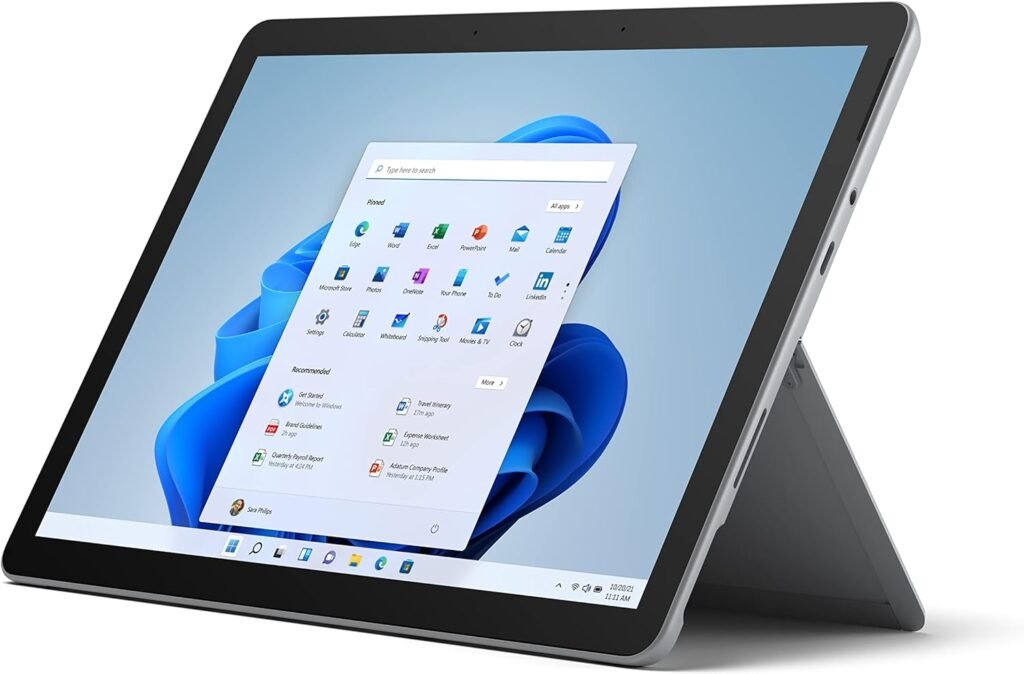
The Microsoft Surface Go 2 offers an impressive blend of portability and versatility, making it an ideal choice for college students constantly on the move. This 10.5-inch 2-in-1 laptop comes equipped with either the Intel Pentium Gold or Intel Core m3 processor, allowing users to choose between a budget-friendly option or a more performance-oriented variant. It features a detachable keyboard that adds to its flexibility, quickly transforming it from a laptop to a tablet according to your needs.
With storage options of 64GB or 128GB SSD and memory configurations of 4GB or 8GB RAM, the Surface Go 2 caters to a variety of storage and performance requirements. The device’s touchscreen adds another layer of functionality, supporting both traditional use and stylus input for more precise tasks like note-taking or sketching. Additionally, its compact and lightweight design makes it extremely portable, fitting easily into backpacks without adding significant weight.
Despite its many merits, the Microsoft Surface Go 2 does come with some drawbacks. Its smaller screen size can feel cramped for extended use or multitasking. Furthermore, its processing power may not be sufficient for more demanding tasks, such as video editing or running heavy software applications. However, these limitations do little to detract from its value as a secondary device for students who prioritize mobility and ease of use.
Priced in the range of approximately $400 to $500, the Surface Go 2 offers good value for money for its intended audience. It is best suited for highly mobile students who need a portable device for note-taking, light productivity tasks, and general web browsing. Given its array of features and reasonable pricing, it’s a solid choice for students looking for a versatile laptop that adapts to both academic and casual requirements.
Comparison and Final Thoughts
Choosing the best laptop under $600 for college students involves balancing various factors like performance, portability, and price. To aid in this decision, we have compared the key specifications of the top contenders:
| Laptop Model | Processor | Storage | Battery Life | Price |
|---|---|---|---|---|
| Model 1 | Intel i3 | 256GB SSD | 8 hours | $450 |
| Model 2 | AMD Ryzen 7 | 512GB SSD | 8 hours | $450 |
| Model 3 | AMD Ryzen 3 | 512GB HDD | 8 hours | $470 |
| Model 4 | Intel i5 | 512GB SSD | 8 hours | $430 |
| Model 5 | Pentium | 128GB SSD | 7 hours | $380 |
From the comparison table, it is clear that each laptop model excels in different areas:
Model 1: An affordable choice with a reliable processor but limited storage, suitable for students who primarily require web browsing and document editing capabilities.
Model 2: Best for overall performance and storage balance, making it ideal for students needing robust computing power for tasks like data analysis or graphic design.
Model 3: Offers substantial storage at a lower price point, perfect for students with extensive file management needs but not heavily reliant on high processing power.
Model 4: Slim and light weight, is a blend of style and functionality perfectly suited for college students
Model 5: Best impressive blend of portability and versatility, making it an ideal choice for college students constantly on the move.
Final Thoughts
When selecting a laptop under $600, it is crucial to consider individual needs such as mobility, performance, and budget constraints. We recommend assessing which features are most important for your academic and personal use cases. Whether it be longer battery life for days with multiple classes or higher storage capacity for significant data accumulation, the choice should align with your priorities.
We encourage our readers to explore the affiliate links provided to gather more information and proceed with making an informed purchase.
I completely agree that finding the right laptop as a college student can be a game-changer. It’s impressive how the Acer Aspire 5 balances affordability with features that seem to cater perfectly to student needs. The 15.6-inch display sounds ideal for multitasking and watching media, but how does it handle battery life during long study sessions? Personally, I think portability is just as important as performance—carrying a heavy laptop around campus can be exhausting. I’m curious, though, are there any specific models in your list that are particularly lightweight? Also, how do these budget laptops handle software like Adobe Suite or programming tools? It’s great that you’ve highlighted user reviews, but have you considered including a section on long-term durability? I’d love to know if any of these laptops are built to last beyond graduation.
I completely agree that a reliable laptop is a must for college students in this digital age. It’s impressive how the article emphasizes balancing budget and quality, which is a real struggle for many students. The Acer Aspire 5 seems like a solid choice, especially with its 15.6-inch display and versatility. However, I wonder if there are any specific models that excel in battery life, as that’s a dealbreaker for me. Also, how do these laptops handle software like Adobe Creative Suite or coding programs? I’d love to hear from someone who’s used one of these for more demanding tasks. What’s your experience with budget laptops in college? Did they hold up well over time?
This is a really insightful post about the importance of choosing the right laptop for college students. I completely agree that balancing budget and functionality is crucial, especially when juggling academic and personal needs. The Acer Aspire 5 seems like a solid choice, but I’m curious if there are any other models that might be better for students who prioritize portability over screen size. Also, how do these laptops hold up over time in terms of durability and software updates? I’d love to hear more about long-term performance and whether any of these options come with warranties or student discounts. What’s your take on refurbished laptops as an alternative for those on an even tighter budget? Would you recommend them, or is it better to stick with new devices?
The Acer Aspire 5 seems like a solid choice for students on a budget, but I wonder if it can handle heavy multitasking without lagging. I’ve had laptops in the past that promised great performance but struggled with basic tasks. How does the battery life hold up during long study sessions or when streaming videos? I’m also curious about the build quality—does it feel durable enough to survive the daily grind of college life? The article mentions storage capacity, but is it easy to upgrade if needed? Overall, it sounds like a good option, but I’d love to hear from someone who’s actually used it. What’s your experience with the Acer Aspire 5?
I completely agree that a reliable laptop is a must for college students, especially in today’s digital age. It’s impressive how the article breaks down the key factors like performance, portability, and battery life, which are so crucial for balancing academics and personal life. The Acer Aspire 5 seems like a solid choice, but I wonder if it’s lightweight enough for students who are always on the go. Also, how does it handle multitasking with heavier software like design or coding programs? I’d love to hear from someone who’s actually used it for more than just basic tasks. Do you think there are other laptops under $500 that could compete with the Aspire 5 in terms of durability and long-term performance?
Interesting read! I completely agree that finding the right laptop as a student can be a game-changer, especially when balancing budget and performance. The Acer Aspire 5 seems like a solid choice, but I’m curious—how does it handle heavy multitasking, like running multiple tabs and software simultaneously? Also, are there any specific models you’d recommend for students in creative fields, like graphic design or video editing? I’d love to hear more about the battery life of these laptops, as that’s often a dealbreaker for me. Do you think any of these options could last a full day of classes without needing a charge? Lastly, how do these laptops fare in terms of durability? I’ve had bad experiences with devices breaking down too quickly. What’s your take on that?
I completely agree that a reliable laptop is a must for college students, especially in this digital age. The Acer Aspire 5 seems like a solid choice, but I’m curious—how does it handle heavy multitasking, like running multiple apps or software simultaneously? I’ve had issues with lag on budget laptops before, so I’m a bit skeptical. Also, how’s the battery life in real-world use? I’ve noticed that some laptops claim great battery performance but don’t deliver. The article mentions portability, but is it lightweight enough to carry around campus all day without feeling like a burden? Lastly, are there any specific models under $500 that you’d recommend for students in creative fields, like graphic design or video editing? I’d love to hear your thoughts or experiences with these devices!
In today’s fast-paced digital world, having a reliable laptop is indeed crucial for college students. It’s clear that balancing cost, performance, and features is a challenge, but this post does a great job of addressing that. The curated list of laptops under $500 seems well-thought-out, especially with the emphasis on core criteria like processing power and storage. However, I wonder if the Acer Aspire 5, with its 15.6-inch display, is the best option for those who prioritize portability. What about the battery life? Is it sufficient for long study sessions or a full day of classes? And how does it compare to other models on the list in terms of durability? It would be great to see a more detailed comparison of the top picks, perhaps with a focus on specific use cases like coding or graphic design. Are there any hidden trade-offs with these affordable options that students should be aware of?
I completely agree that a reliable laptop is a game-changer for college students, especially in this digital age. Balancing affordability with quality can indeed be tricky, but it’s worth the effort to find a device that meets both academic and personal needs. I appreciate how the blog focuses on specific features like processing power, storage, and portability—these are critical for a student’s busy lifestyle. The Acer Aspire 5 seems like a solid choice, but I’m curious—what makes it stand out compared to other models in the same price range? Also, how does its battery life hold up during long study sessions or binge-watching? I’d love to hear more about real-life experiences with this device, as reviews can sometimes be misleading. What’s your take on balancing performance with entertainment features in a college laptop? Would you prioritize one over the other?
I completely agree that a reliable laptop is a must for college students, especially in today’s digital age. It’s impressive how the Acer Aspire 5 manages to balance affordability with solid performance, making it a great choice for students on a budget. I’ve always wondered, though, how well it handles heavy multitasking—like running multiple apps or software simultaneously. The 15.6-inch display sounds perfect for both work and entertainment, but does it compromise on portability? Battery life is another crucial factor for students who are always on the go—how long does it typically last on a single charge? I’d love to hear from someone who’s used it for a while to get a real-world perspective. Overall, it seems like a smart investment for students who need a versatile and dependable device. What do you think—would you recommend it for someone juggling both academics and personal use?
I completely agree that a reliable laptop is a must for college students in today’s digital age. It’s impressive how the article emphasizes balancing budget and quality, which is something many students struggle with. The Acer Aspire 5 seems like a solid choice, especially with its 15.6-inch display and versatility. However, I wonder if there are any specific models that excel in battery life, as that’s a dealbreaker for me. Also, how do these laptops handle software like Adobe Creative Suite or coding programs? I’d love to hear from someone who’s used one of these for more demanding tasks. Overall, this list is super helpful, but I’d appreciate more details on durability—how well do they hold up over time? What’s your experience with these laptops?
Having a reliable laptop is indeed crucial for college students, especially in this digital age where multitasking is the norm. It’s refreshing to see a guide that focuses on budget-friendly options without compromising on essential features. The Acer Aspire 5 seems like a solid choice, but I wonder how it compares to other models in terms of battery life and durability. Do you think it can handle heavy software like programming tools or video editing programs? I’d also love to know if there are any trade-offs in terms of build quality or display resolution at this price point. Overall, this is a helpful resource, but I’m curious—what’s your personal favorite laptop from the list, and why? Would you recommend it for someone who needs a balance between work and entertainment?
I completely agree that a reliable laptop is a must for college students, especially in this digital age. It’s impressive how the article emphasizes balancing budget and quality, which is something many students struggle with. The Acer Aspire 5 seems like a solid choice, but I wonder if it’s lightweight enough for students who are always on the go. Also, how does it handle heavy multitasking, like running multiple apps or software simultaneously? I’d love to hear from someone who’s used it for both academic and personal purposes. Do you think there are other laptops under $500 that could outperform the Acer Aspire 5 in terms of battery life? Overall, this is a helpful guide, but I’m curious to know if there are any hidden downsides to the recommended models. What’s your take on this?
The Acer 5 laptops are typically light weight for students on the go, the battery life is normally 7-8 hours. It is comparable in performance to other laptops in the price range, for those who work with a lot of graphic software, I would recommend looking at the requirement for the software’s that you will be utilizing and considering spending a little more if needed. The laptops $500 and below are not intended for professional use like graphic design, architecture design etc..
In today’s world, having a reliable laptop is indeed crucial for students. This article does a great job of breaking down the essentials for finding a budget-friendly yet efficient device. I especially appreciate the focus on balancing cost and functionality—it’s so true that students shouldn’t have to sacrifice quality for affordability. However, I’m curious, are there any specific brands or models that consistently outperform others in terms of durability and battery life? Also, how often would you recommend upgrading or replacing a laptop to keep up with academic demands? Personally, I think investing in a slightly pricier model upfront could save money in the long run, but what’s your take on that?
This is such a helpful guide for students navigating the overwhelming world of laptop options! I completely agree that finding the right balance between cost and functionality is crucial, especially when you’re on a tight budget. The Acer Aspire 5 seems like a solid choice, but I’m curious—how does it handle heavy multitasking, like running multiple apps or software simultaneously? Also, are there any specific models you’d recommend for students in creative fields, like graphic design or video editing? I’d love to hear more about laptops that can handle those demands without breaking the bank. Lastly, do you think it’s worth investing in additional accessories, like an external hard drive or a cooling pad, to extend the laptop’s lifespan?
We’ve integrated libersave into our regional voucher system, and it’s amazing how it simplifies the process of combining various providers on one platform. It’s a game-changer for managing deals and discounts efficiently!
This article really emphasizes the importance of finding a reliable laptop for college students, especially for those on a budget. I agree that balancing cost, performance, and features is crucial, but are there any specific brands or models that stand out beyond the Acer Aspire 5? It would be helpful to know more about the battery life and portability of these devices, as these are key factors for students who are constantly on the go. Also, how do these laptops perform with software required for specific courses, like graphic design or coding? I’d love to hear your thoughts on whether it’s better to invest a bit more upfront for a laptop that might last longer or stick to the under $500 range. Do you think refurbished laptops could be a good alternative for students trying to save money without compromising too much on quality?
Hi AMPAY, yes I think that if you have courses that require software’s for subjects like graphic design, architecture, you may want to spend a little more up front. Always check those requirements before making a purchase. Battery life is truly important when you are on the go, so always check for laptops with longer battery life. Take cautious with refurbished laptops, check if additional warranty and buy from a replicable buyer.
It’s fascinating how much thought goes into choosing the right laptop for college life, especially when balancing budget and performance. The Acer Aspire 5 seems like a solid option, but I wonder if it’s truly the best for students who need something lightweight for carrying around campus all day. How does it compare in terms of battery life and durability? I’ve heard mixed reviews about its build quality, so it’d be great to hear more specifics. Also, are there any other laptops in this price range that might be better suited for creative tasks like graphic design or video editing? It’s great to see such a comprehensive guide, but I’m curious if there’s room for more diversity in the recommendations, especially for students with niche needs. Would you consider expanding the list to include more specialized options?
This article really hits the nail on the head when it comes to the struggles of finding the perfect laptop for college. It’s true that balancing budget and quality can feel like an impossible task, especially when you’re juggling so many responsibilities. I appreciate how the post breaks down the key features to look for, like processing power and battery life, which are absolute must-haves for students. However, I wonder how durable these laptops really are in the long run—have they been tested for wear and tear over a semester or two? Also, does the Acer Aspire 5 handle heavier tasks like video editing or coding projects well? It’s great to see affordable options, but I’d love to hear from students who’ve actually used them daily. What’s your experience with budget-friendly laptops?
By the way, we’ve integrated libersave into our regional voucher system. It’s amazing how easy it is to bundle different providers on a single platform.